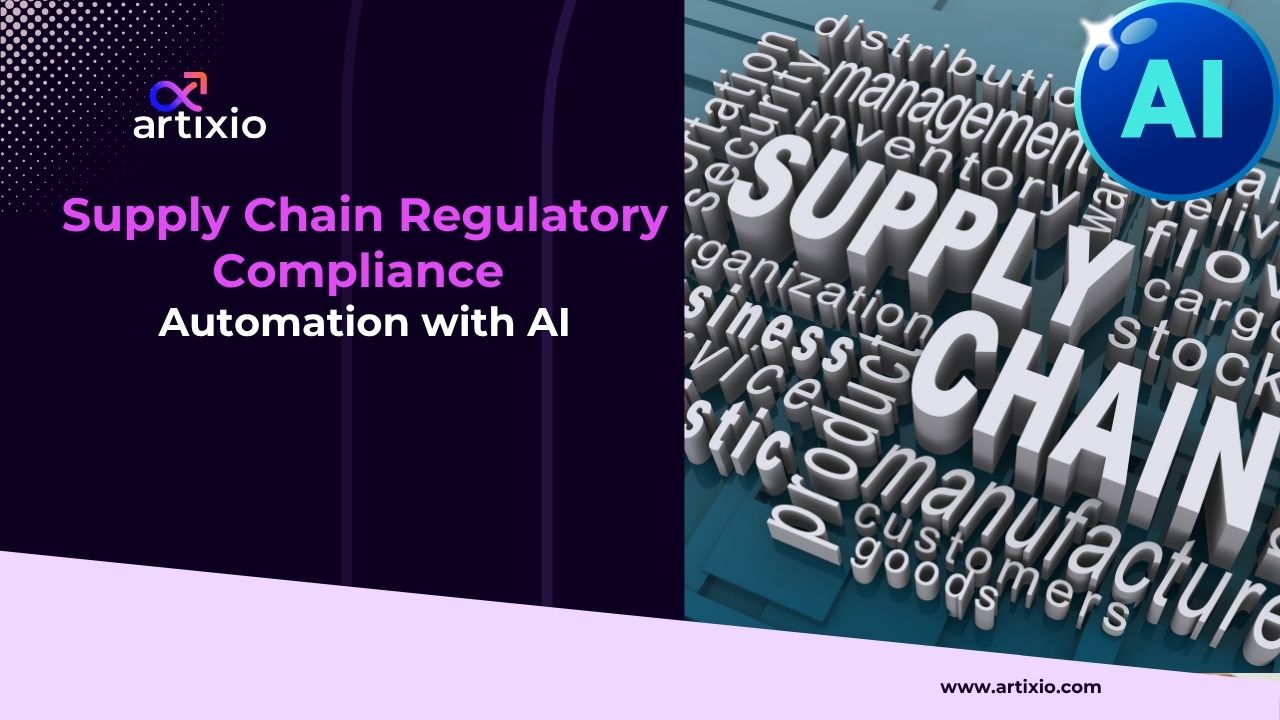
Life sciences supply chains involve several suppliers, various countries, and several regulations. With manual compliance processes, it’s hard to catch up with changing regulations and document increases. This is where AI Supply Chain Compliance can help. It enhances supply chain visibility, enables earlier detection of risks, and reinforces compliance in the supply chain. This guide covers the benefits of AI in the supply chain, including its ability to help ensure compliance and efficiency.
What Is Supply Chain Regulatory Compliance?
Supply chain regulatory compliance makes sure that products are compliant with regulations at each stage of the supply chain. It encompasses all aspects of sourcing, manufacturing, storage, distribution, and transportation. Organisations should also always have complete documentation and product traceability. This will contribute to the quality of the product, patient safety, and compliance all along the supply chain.
Why Supply Chain Compliance Matters in Life Sciences
Life sciences supply chains are very governed. They’re also multi-supplier, multi-site, and international markets. A minor noncompliance may result in loss of product availability or delay of market entry. Life Sciences Supply Chain Compliance assists organisations in minimising risks, ensuring product quality, and being inspection ready. This also fosters trust among the regulators, partners, and patients.
Also Read: Artificial Intelligence Impact on Global Pharma Regulatory Affairs
How AI Is Transforming Supply Chain Regulatory Compliance
Periodic reviews are a key element of manual compliance. AI helps to make compliance more proactive. It links to data from various sources. It is also a tool to identify risk prior to it becoming a compliance problem.
This enables companies to react quicker and to have real-time visibility on the entire supply chain. AI in Supply Chain Compliance also enhances Regulatory Supply Chain Management by continuously monitoring and automatically identifying risks. The process of how AI can assist is as follows:
Regulatory Monitoring
AI monitors changes in regulations in the global markets. It relates to product, supplier, or operational changes that can impact products.
Supplier Data
AI gathers and processes the data of suppliers. It also validates certifications, qualifications, and compliance documents.
Quality Data
AI analyses quality records, deviations, complaints, and audit results. It shows trends that need to be addressed.
Supply Chain Data
AI integrates information from manufacturing, warehousing, logistics, and distribution. It’s in this way that you get a single perspective of the supply chain.
AI Analysis
The collected data is used for analysis by AI. It spots patterns and finds potential compliance risks.
Risk Identification
AI focuses on the high-risk suppliers, products, or processes. This aids in quicker and improved decisions. AI Supply Chain Risk Management also provides the team with a way to prioritise issues to address first.
Compliance Alerts
Alerts are generated by AI on gaps in compliance or changes in regulations. Teams may analyse, discuss, and locate solutions to issues without delay.
Corrective Actions
AI can be used for corrective and preventive actions tracking. It also tracks progress and finds out when the problem has been resolved.
Continuous Monitoring
AI continually scans suppliers, rules, and operating data. This enables long-term Supply Chain Compliance Automation and enhances compliance throughout the product life cycle.
Regulatory Requirements That Impact Supply Chains
The life sciences industry has to comply with regulatory standards throughout the entire supply chain. These requirements are related to production, distribution, oversight of suppliers, product movement, and documentation. Organisations can now more efficiently tackle these obligations with Supply Chain Compliance Automation.
Good Manufacturing Practice (GMP)
GMP guarantees consistency of manufacture and control of high-quality products. Includes quality systems, production, packaging, storage, and documentation. When products are compliant, it’s easier to keep them safe for patients and maintain their quality.
Good Distribution Practice (GDP)
GDP guarantees the proper handling, storage and transport of products. It aids in maintaining the quality of the product during distribution.
Supplier Qualification
There is a need to do supplier evaluation prior to approval. This involves quality systems, certifications, and compliance history. Continuous monitoring should also be done.
Vendor Audits
Vendor audits are conducted to ensure that vendors comply with regulations and quality standards. They also help ensure compliance gaps are identified prior to impacting operations.
Product Traceability
Each product should have a traceability system in place that allows for tracking it throughout the supply chain. Traceability facilitates investigation, recall, and inspection by the regulators.
Serialization Requirements
Each product unit will be given a unique identity by serialisation. It reduces product counterfeiting and aids with product tracking.
Import & Export Compliance
The products have to meet country-specific import/export requirements. It is also necessary for organisations to keep the necessary records for cross-border movement.
Labeling Compliance
Correct and approved information on labels. They should also comply with market-specific regulatory procedures prior to distribution.
Cold Chain Compliance
The temperature-sensitive goods need to be monitored throughout storage and transport. Appropriate cold chain control is used to ensure product quality.
Warehouse Compliance
Warehouses need to have a conducive storage environment, inventory management, and documentation. These practices ensure the integrity of the products and adherence to regulations.
Transportation Compliance
Products need to be protected during the transportation process. Handling conditions should be monitored, and there should be complete shipment records.
Recall Management
Affected products should be easily recognised and taken out of the organisation’s product mix. Good recall systems minimise risks to patients and businesses.
Documentation & Record Keeping
Good and full records for inspections and audits. They also prove their compliance along the supply chain. Reliable documentation at each stage is essential for Regulatory Supply Chain Management.
AI Capabilities for Supply Chain Regulatory Compliance
AI Supply Chain Compliance is a modernised approach to AI and regulatory intelligence. Supports teams in managing supplier compliance, product compliance, and global operations. The following are the main features.
Regulatory Monitoring
AI monitors new regulations in different markets. It notifies teams of modifications that could impact products, suppliers, or processes.
Supplier Risk Assessment
AI evaluates supplier certifications, audit history, and compliance data. It identifies high-risk suppliers early on in the process. This further enhances AI Supply Chain Risk Management.
Intelligent Document Processing
AI can read the information on certificates, audit reports, and quality records. Automatically puts documents in order. This decreases the time and effort spent on manual review.
Automated Compliance Checks
AI matches documents to regulatory criteria & company policies. It can detect missing data and compliance issues at an early stage.
Risk Detection
AI combines information and data on suppliers, quality, and operations. Identifies trends, anomalies, and new compliance risks.
Product Traceability
AI brings data together in the manufacturing, warehousing, and distribution process. This helps in increasing the visibility of products in the chain.
Compliance Alerts
AI’s real-time alerting system notifies when deviations or changes in compliance occur. Teams can react before problems with compliance arise.
Audit Readiness
AI centralises compliance records and maintains audit trails. This makes inspections and audits more efficient.
Corrective and Preventive Action (CAPA) Tracking
AI monitors corrective actions from start to closure. It helps teams verify that issues are resolved on time.
Predictive Compliance Insights
AI identifies potential compliance risks before they occur. This allows organisations to take preventive action instead of reacting later.
AI Across Different Supply Chain Stages
AI supports compliance throughout the product lifecycle. Its role changes at each stage.
| Stage | Compliance Activities | AI Support |
| Supplier Selection | Supplier qualification and due diligence |
Assesses supplier risk. Reviews certifications. Flags compliance gaps.
|
| Manufacturing | Good Manufacturing Practice (GMP) compliance |
Monitors production data. Detects deviations. Supports quality compliance.
|
| Warehousing | Storage and warehouse compliance |
Tracks storage conditions. Sends real-time alerts. Maintains inventory visibility.
|
| Distribution | Good Distribution Practice (GDP) compliance |
Improves product traceability. Monitors shipment conditions. Supports distribution compliance.
|
| Transportation | Cold chain compliance |
Monitors temperature and transit conditions. Flags excursions immediately.
|
| Post-Market | Recall management |
Identifies affected products faster. Supports recall decisions through predictive risk analysis.
|
The same capabilities also support a wide range of compliance activities across different life sciences sectors.
Supply Chain AI Use Cases Across Life Sciences
Different life sciences sectors face different supply chain challenges. AI in Supply Chain Compliance helps organisations improve visibility, strengthen compliance, and reduce operational risks across each sector.
Pharmaceuticals
AI monitors GMP and GDP compliance. It tracks supplier performance. It also improves product traceability and recall readiness.
Biologics
AI monitors cold chain conditions throughout storage and transportation. It identifies temperature excursions early. This helps protect product quality.
Biosimilars
AI reviews supplier and manufacturing data across multiple sites. It supports documentation consistency. It also strengthens regulatory compliance.
Medical Devices
AI supports supplier qualification and product traceability. It also helps maintain documentation for inspections and audits.
In Vitro Diagnostics (IVDs)
AI tracks supplier records and quality documentation. It also helps identify compliance risks before product distribution.
Combination Products
AI connects data across pharmaceutical and medical device supply chains. This improves visibility and simplifies compliance management.
Cosmetics
AI monitors ingredient documentation and supplier records. It also supports labelling compliance and product traceability.
Veterinary Products
AI strengthens supplier oversight and distribution monitoring. It also helps maintain compliance across global supply networks.
Nutraceuticals
AI verifies supplier documentation and manufacturing records. It supports ingredient traceability and regulatory compliance throughout the supply chain.
Choosing an AI Solution for Supply Chain Compliance
Not every AI platform offers the same capabilities. Choose a solution that supports both compliance and day-to-day operations.
Look for a platform that can:
- Monitor global regulatory changes.
- Assess supplier and product risks.
- Automate compliance documentation.
- Support product traceability.
- Integrate with existing quality and supply chain systems.
- Deliver real-time compliance alerts.
- Scale across products and global markets.
Conclusion
Global supply chains continue to grow more complex. So do regulatory expectations. AI Supply Chain Compliance helps organisations reduce manual effort, improve visibility, and respond to compliance risks faster.
The best results come from combining AI with trusted regulatory intelligence. Artixio’s QuriousRI helps life sciences organisations monitor changing regulations, assess compliance risks, and strengthen regulatory decision-making across the supply chain. Looking to modernise your compliance strategy? Discover how Artixio’s QuriousRI can help you build a smarter, more resilient, and compliant supply chain. Reach out to our team at info@artixio.com.
FAQs
What is AI supply chain compliance?
AI Supply Chain Compliance offers AI-powered compliance monitoring, risk detection, compliance automation, and supply chain visibility as a result of AI technology.
How does AI improve regulatory supply chain management?
AI monitors supplier, quality, and operations data in real time. It detects non-compliance hazards at an early stage. It also helps to foster quicker corrective actions and better regulatory decisions.
Can AI help with supplier qualification?
Yes. AI analyses supplier certificates, audit results, quality records, and compliance histories. It aids companies in discovering higher-risk suppliers prior to the impact operations.